The dupe dilemma: can a copy ever carry the craft?
Lookalikes are now a mainstream way to shop. What does a copy leave behind, and why does visible handwork matter more than ever?
"Dupes" have moved from a whispered habit to a mainstream shopping category. Social video made it normal to post a near-identical alternative to a famous design, often at a fraction of the price, and many shoppers now see buying the dupe as the smart choice rather than the second-best one.
Why dupes caught on
Part of the appeal is economic: when premium prices rise faster than wages, a lookalike feels like a fair workaround. Part of it is cultural. A generation raised on trends that turn over in weeks is less attached to the idea of owning "the original".
What gets lost
The debate is not only legal, although design and trade-mark disputes are growing. It is also about what a copy cannot carry: the time spent developing a pattern, the sampling, the testing of a fibre against skin and washing, and the wages of the people who do that work. A dupe copies the outline, not the decisions behind it.
A copy can borrow a shape. It cannot borrow the reasons the shape exists.
Originality you can see
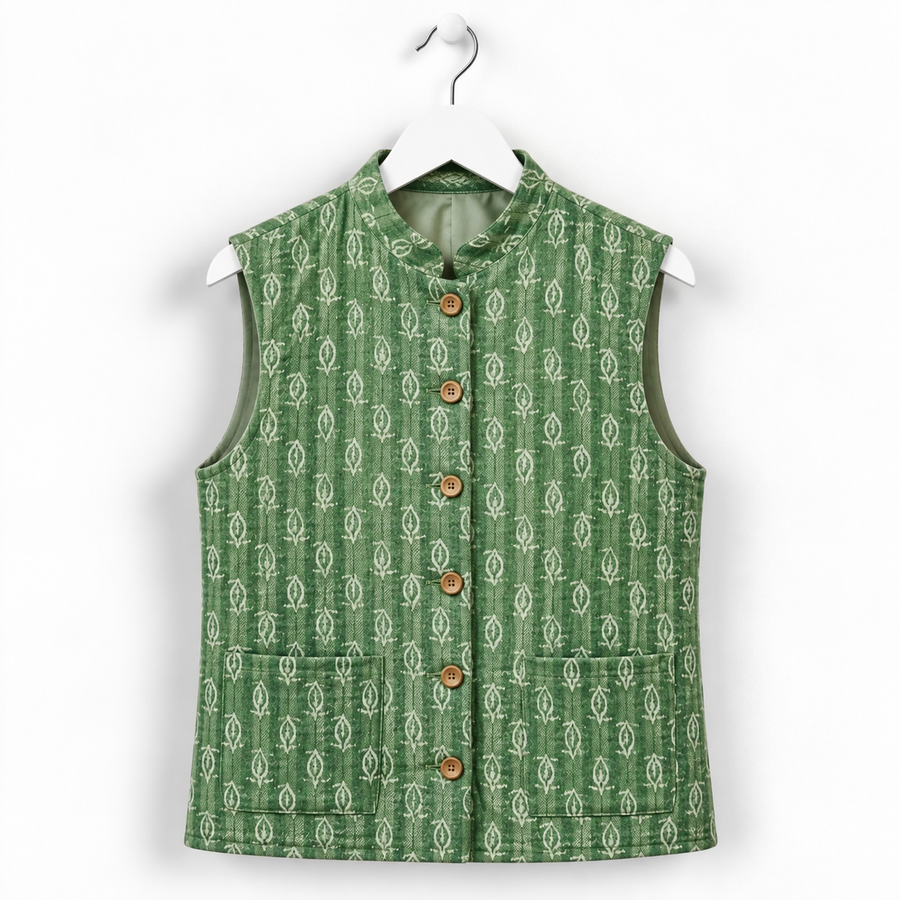
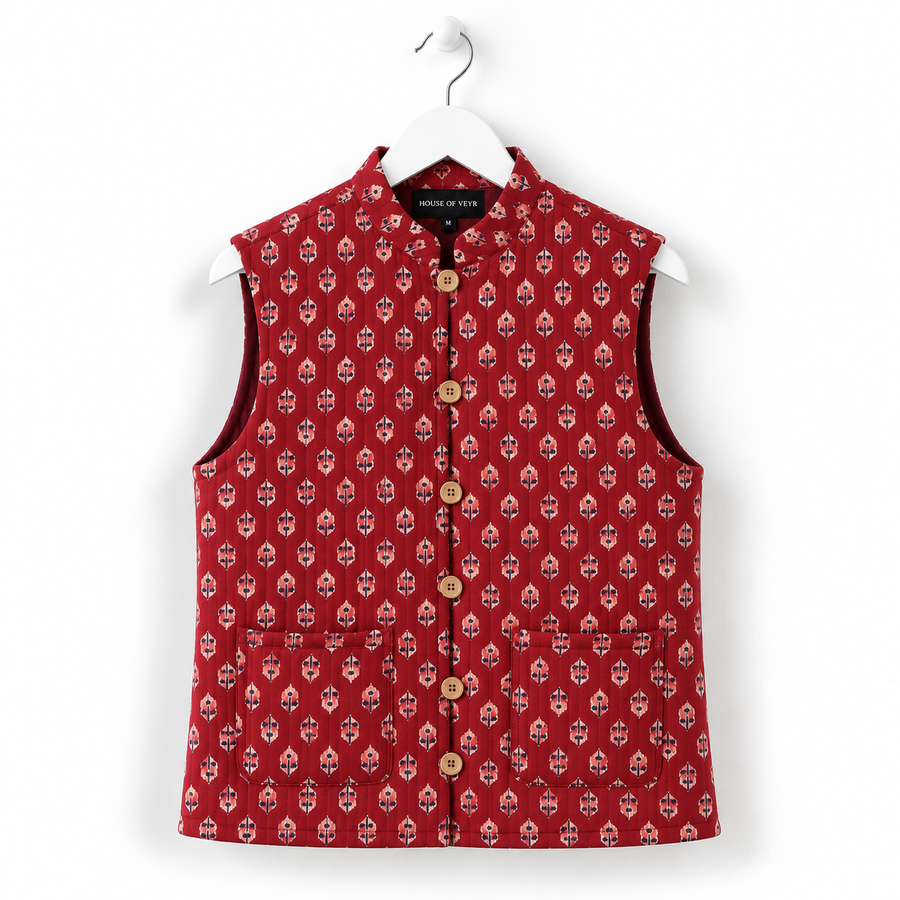
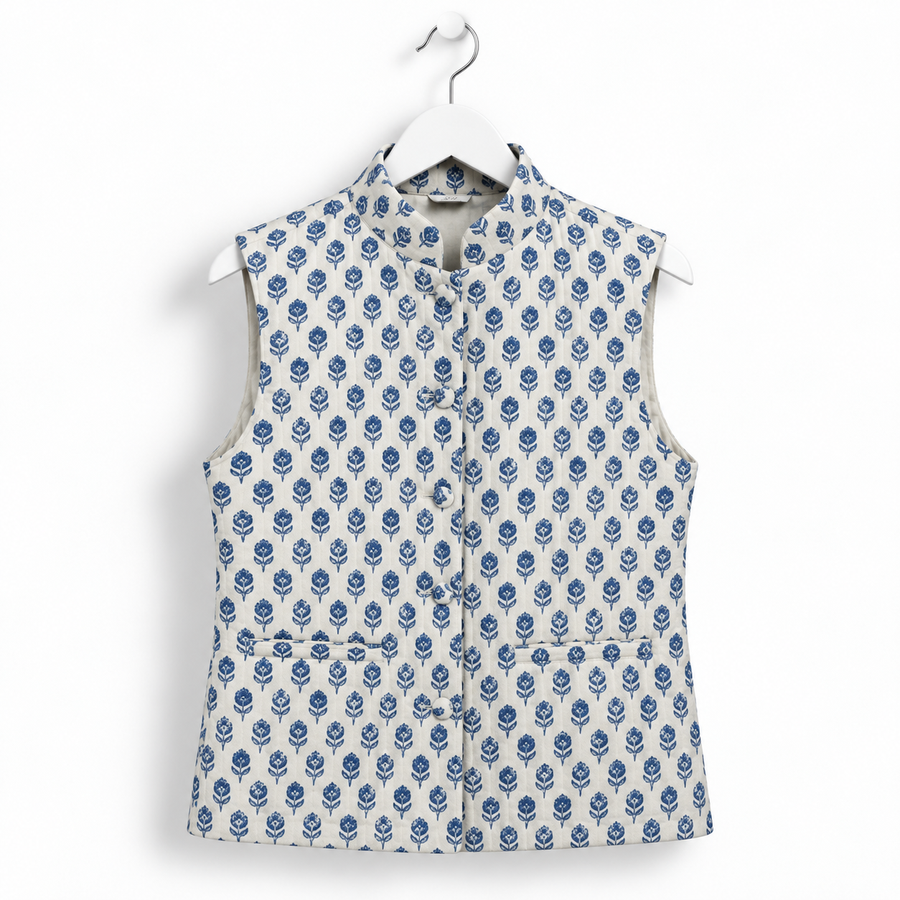
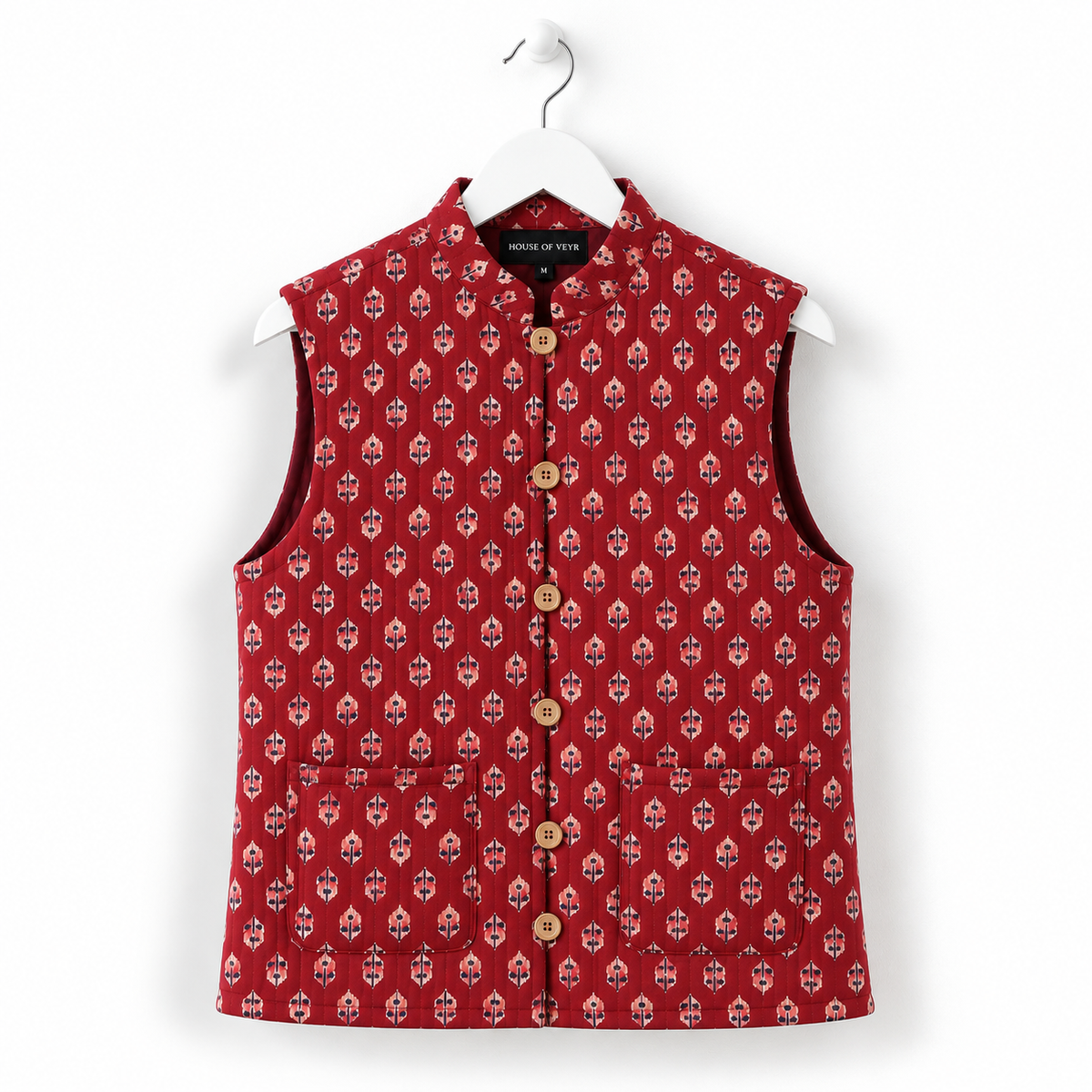
Hand-stitched Kantha work is a good example of something that resists copying. Each running stitch is placed by hand, so no two pieces are ever quite the same. That irregularity is the signature, and it is why we show both sides of every reversible vest we make.
Our view is simple: if you love a design, buy the version whose makers you can name. If you cannot afford it yet, wait, save, or choose an original piece at a price that fits. Fewer, better, and truly yours.
— The House of VEYR, Auckland