Quiet luxury, loud prices: what are we really paying for?
Luxury prices keep climbing. Is the quality climbing with them? A look at one of fashion's sharpest debates, and how we price our pieces.
Few questions divide the fashion world right now as sharply as this one: when the price of a jacket or a bag climbs year after year, what exactly is the buyer paying for? Many of the biggest houses have raised prices repeatedly since 2019, and a growing number of shoppers have started to ask whether the quality has risen with them.
The case for the price
Defenders of premium pricing point to things that are real and expensive: skilled hands, slower production, better raw materials, small runs and the cost of designing something new each season. A garment that is cut generously, finished inside and out, and made to survive years of wear simply costs more to produce than one made to last a season.
The case against
Critics argue that a large share of today's luxury price is brand premium rather than material or craft. When the same factories can produce for both ends of the market, the label starts to carry more of the value than the cloth. That gap is exactly what the "dupe" economy has learned to exploit.
Price should be explainable. If a brand cannot tell you where the money goes, the question is worth asking.
Where we stand
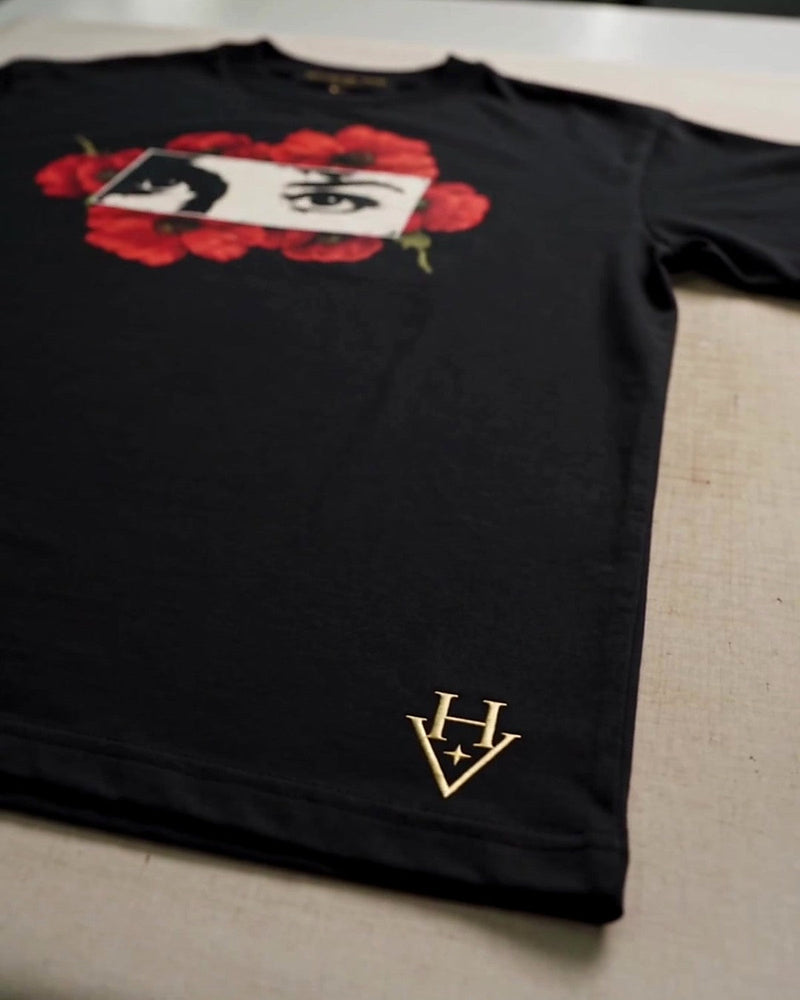
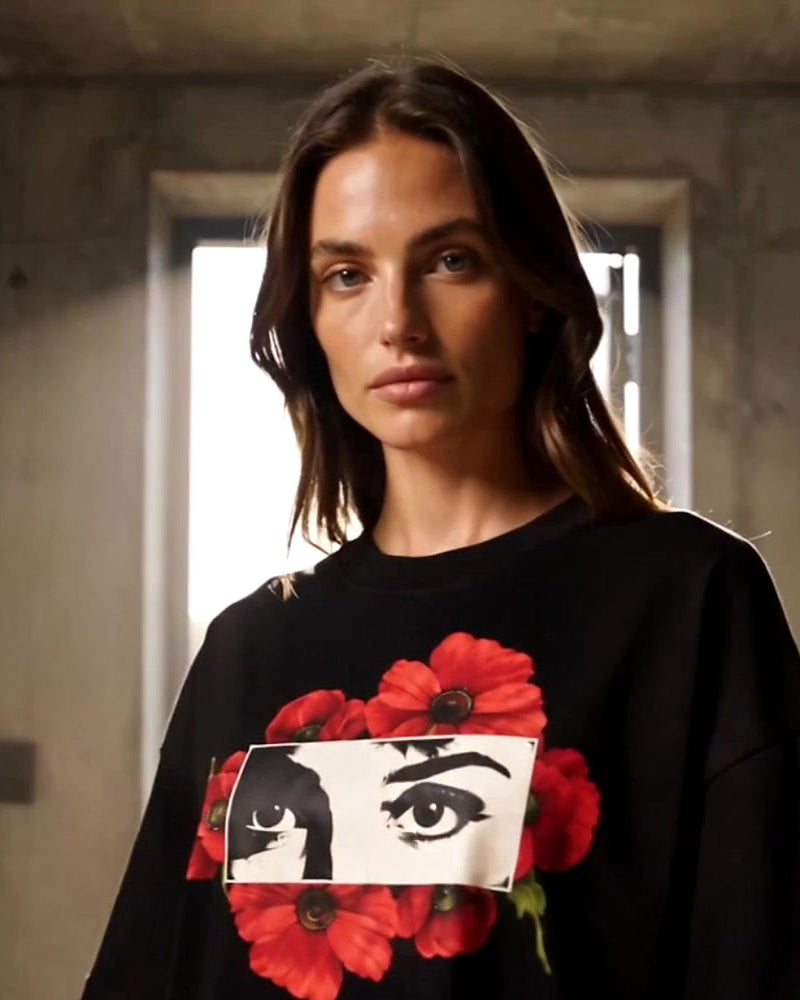
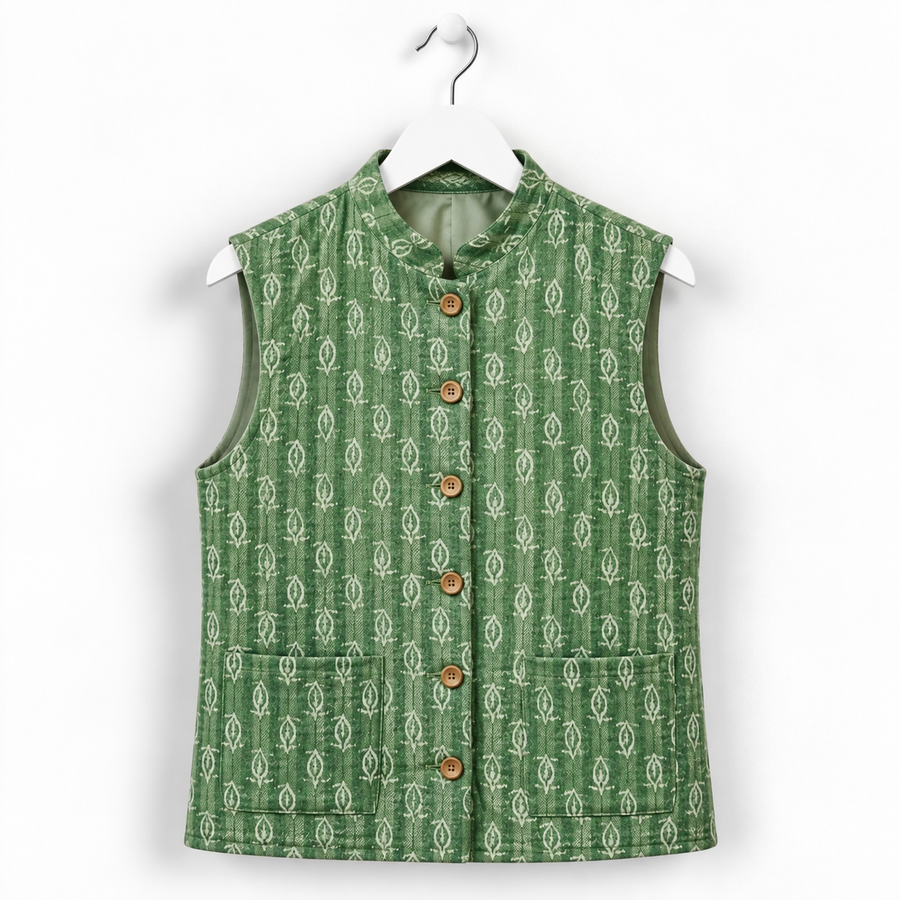
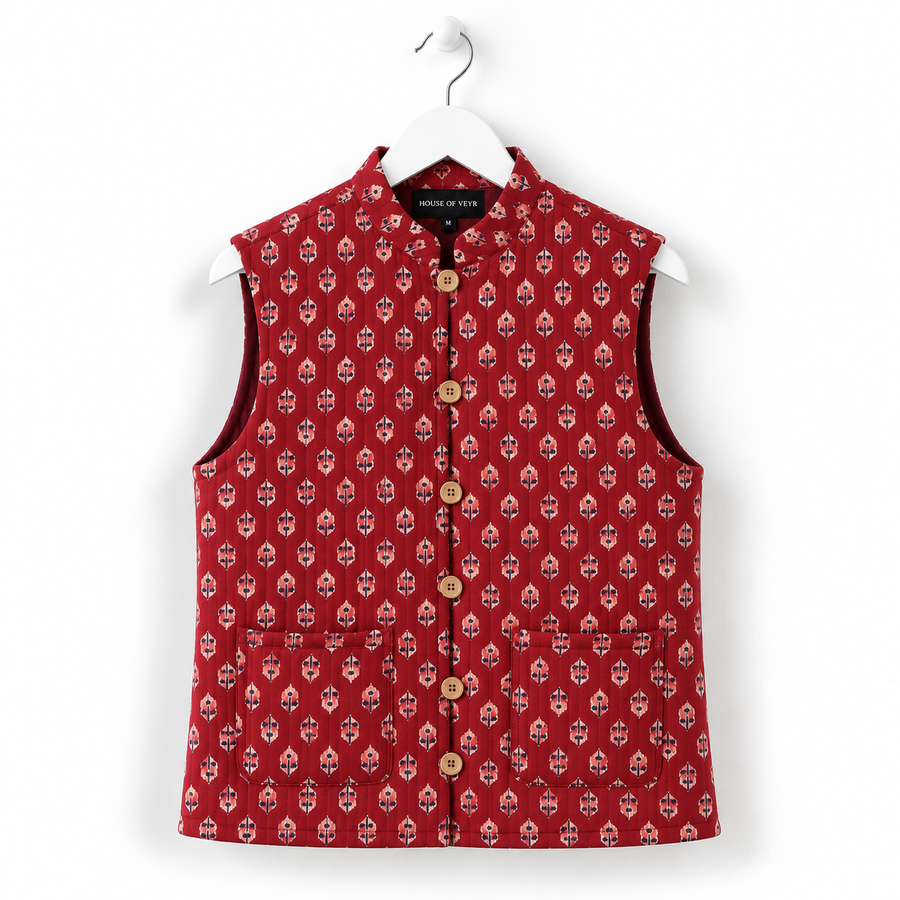
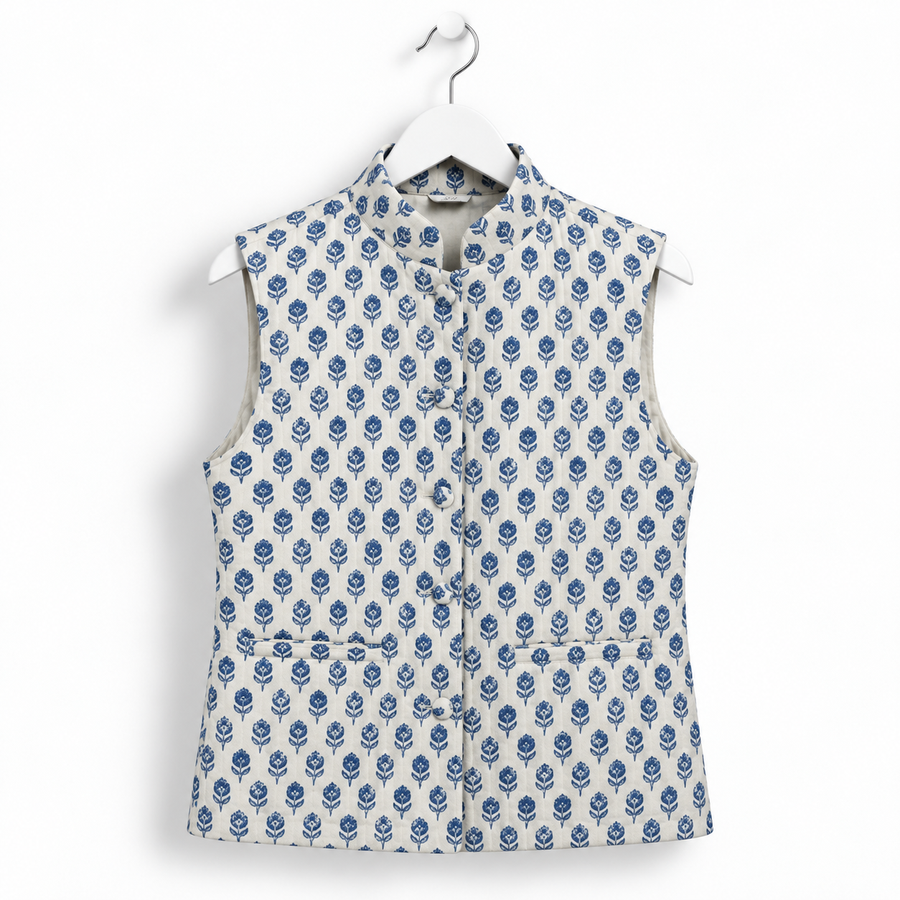
At House of VEYR we think the honest answer is to make the price legible. Our reversible vests and oversized tees are priced in a narrow band so that the value sits in the fibre, the stitching and the fact that one reversible piece does the work of two. We would rather you judge us on cost per wear than on a logo.
- Ask what the fibre is, and how the cloth feels after a wash.
- Look at the inside of the garment: seams, finishing, lining.
- Count the wears, not the tags.
— The House of VEYR, Auckland