Beyond the label: what “Made in” should really mean
A country name on a label used to say it all. After a run of supply-chain revelations, shoppers are asking a better question: made by whom, and how?
For decades a country of origin on a label did a lot of quiet work. It suggested heritage, standards and a certain kind of workshop. In the past two years that shorthand has been tested hard.
The label under scrutiny
Investigations by Milan prosecutors in 2024 into subcontracted workshops supplying several well-known luxury houses raised serious questions about working conditions deep in premium supply chains. In 2025, viral videos from manufacturers in China claimed a role in making luxury goods, and while many claims were disputed, they showed how little most shoppers know about who actually makes what they buy.
Why origin is not the whole story
A single country name cannot describe a garment that may be spun in one place, woven in another, stitched in a third and finished in a fourth. The more useful questions are about the people and the process: Who made it? Were they paid fairly? Can the brand show you?
"Made in" tells you where. The better question is "made by whom, and how?"
Our approach
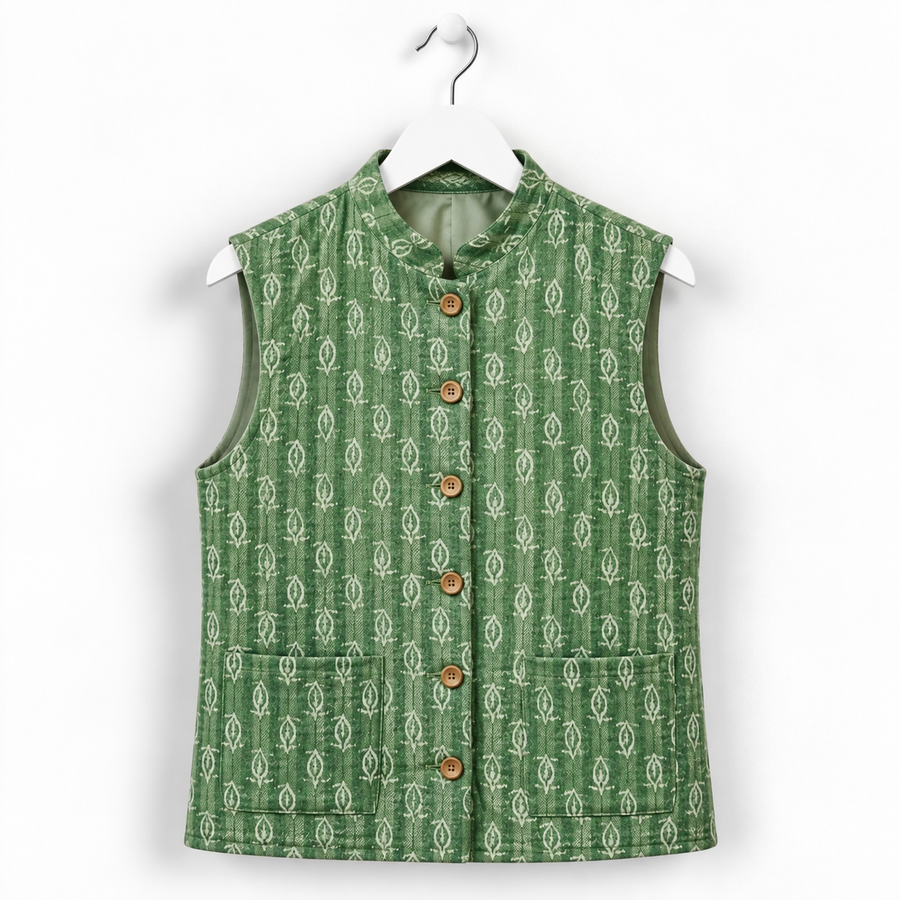
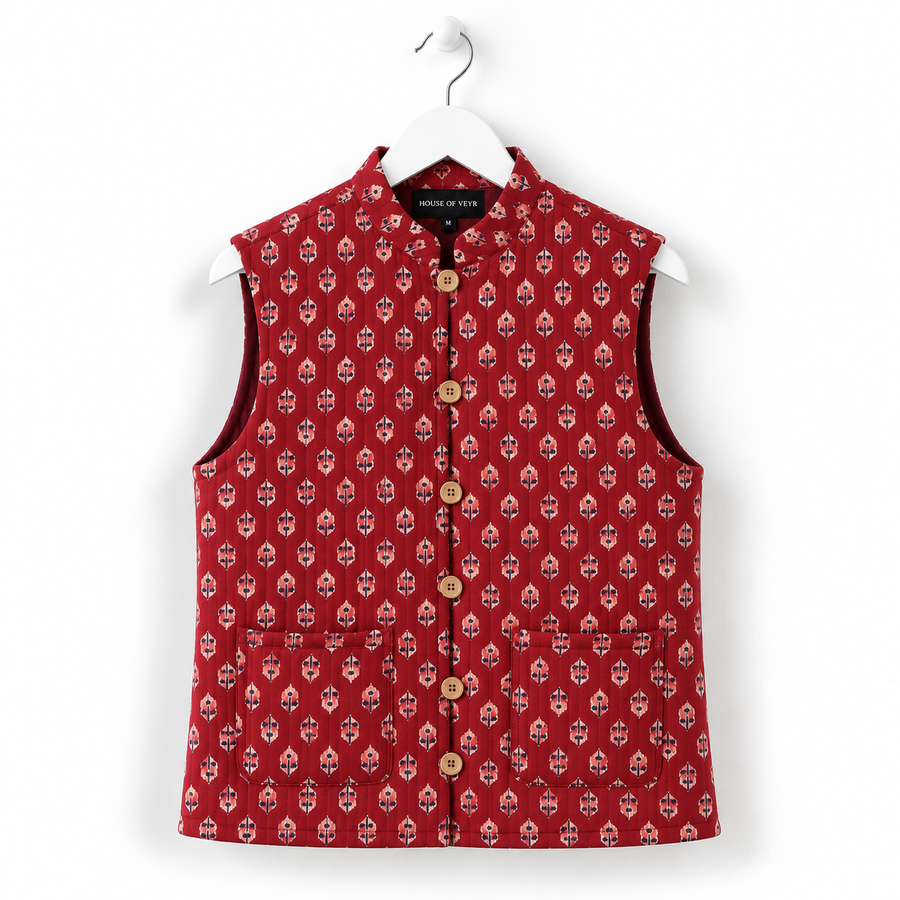
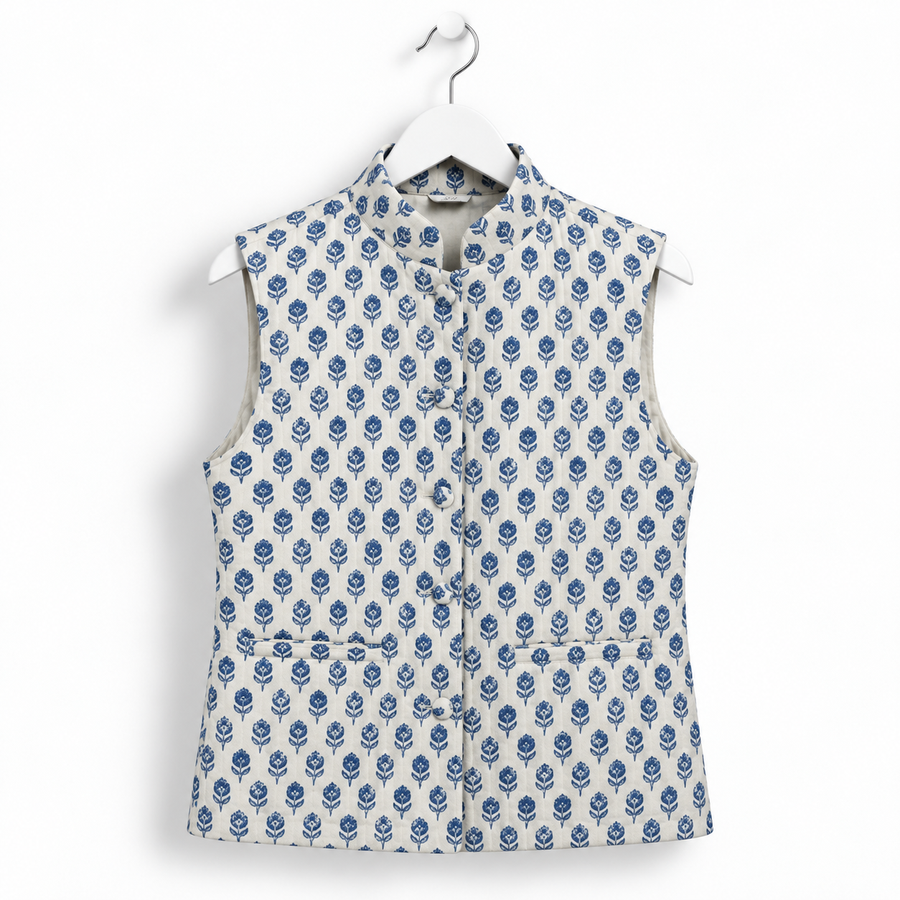
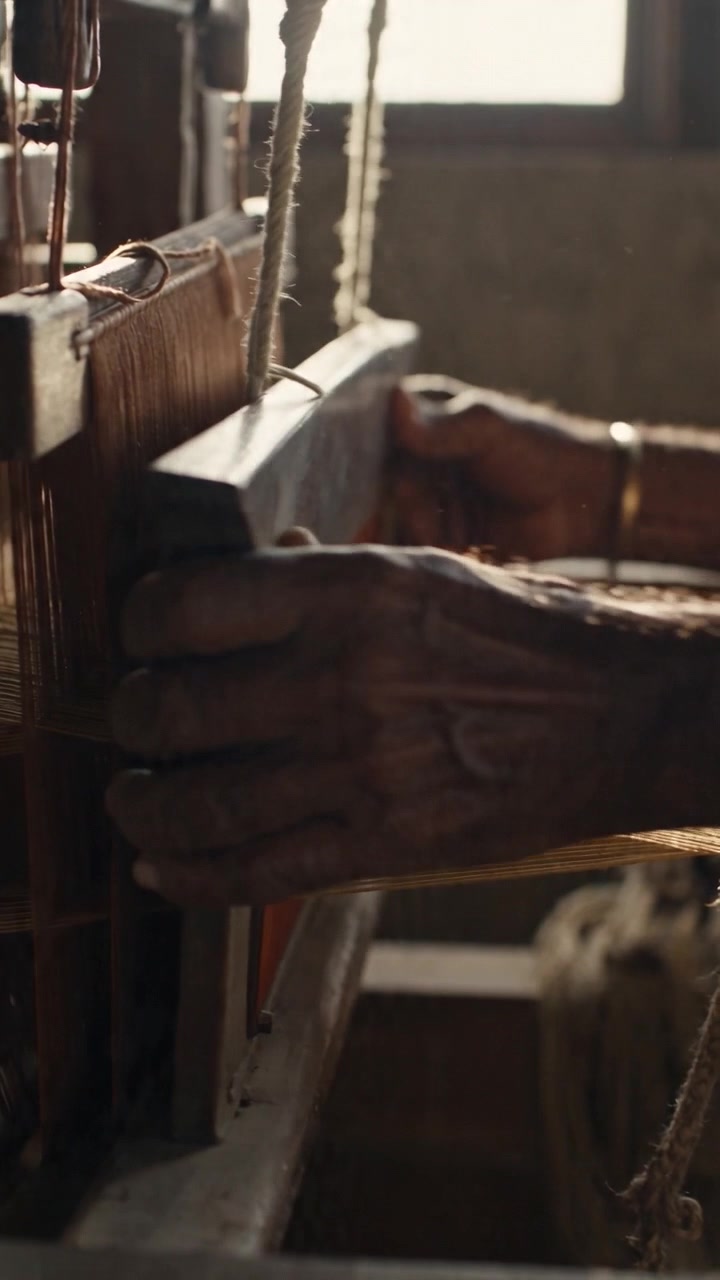
House of VEYR designs in Auckland and works with artisan makers skilled in hand-loom weaving and Kantha stitching, crafts that take years to learn. We believe the right way to honour that skill is to name it, credit it and pay for it properly, rather than hide it behind a label.
- Look for brands that describe the craft, not just the country.
- Ask whether suppliers are audited and by whom.
- Value visible handwork: it is the hardest thing to fake.
— The House of VEYR, Auckland